
Giving birth is often anticipated as one of the most beautiful and empowering milestones in a person’s life. However, for many individuals in our local community, the reality of labor and delivery looks vastly different. Medical emergencies, unexpected surgical interventions, feelings of helplessness, or a sudden fear for your baby’s survival can transform what should have been a joyous occasion into a deeply traumatic event. Research consistently indicates that between 33% and 45% of birthing individuals describe their birth experience as traumatic. If you are struggling with the emotional aftermath of a difficult labor, please know that you are not alone and you do not have to carry this heavy burden indefinitely.
At PUSH Markham, we specialize in comprehensive maternal and reproductive wellness. We understand that physical recovery after childbirth is only one piece of the puzzle; healing the nervous system is equally vital. Our clinic introduces specialized, in-person EMDR therapy in Markham specifically designed to address birth trauma, postpartum PTSD, and perinatal mood disturbances. This guide explores the realities of birth trauma, how it manifests in your everyday life, and why seeking an EMDR therapist can be a life-changing step toward reclaiming your peace of mind and fully bonding with your infant.
What Constitutes Birth Trauma?
Birth trauma is fundamentally subjective. It is not defined solely by clinical metrics or medical outcomes, but by your unique psychological and physiological response to what occurred during labor and delivery. A delivery that a medical team classifies as “routine” or “successful” because both parent and baby survived can still be deeply traumatic for the person on the delivery table.
Some common catalysts for birth trauma include:
- Emergency Interventions: Sudden, unplanned C-sections, vacuum extraction, or the unexpected use of forceps.
- Loss of Agency: Feeling ignored, dismissed, or mistreated by healthcare providers during highly vulnerable moments.
- Severe Complications: Postpartum hemorrhages, severe tearing, or sudden changes in fetal heart rates that require rapid medical action.
- NICU Admissions: The immediate, distressing separation of parent and infant due to unexpected newborn medical emergencies.
- Intense Pain and Fear: A profound sense of physical helplessness or an overarching fear of imminent death for yourself or your child.
When these events transpire, the human nervous system goes into an instinctual survival mode (fight, flight, or freeze). If the intense fear and stress are not fully processed at the time, the memory can become locked into your brain in its raw, emotional form, leading to lingering psychological distress.
Recognizing the Signs of Postpartum PTSD and Birth Trauma
Many new parents dismiss their emotional struggles, attributing their symptoms to the “baby blues,” physical exhaustion, or general sleep deprivation. However, birth trauma leaves distinct imprints on your nervous system. If you are experiencing any of the following symptoms months or even years after delivery, you may be dealing with birth trauma or postpartum Post-Traumatic Stress Disorder (PTSD):
- Hypervigilance and Severe Anxiety: An overwhelming, constant sense of dread, continuously checking on your baby, or an inability to sleep even when your infant is sleeping peacefully.
- Flashbacks and Intrusive Thoughts: Unwanted memories, images, or nightmares of the delivery room crashing into your mind during daytime activities.
- Avoidance Behaviors: Going out of your way to avoid driving past Markham Stouffville Hospital, skipping postpartum check-ups to avoid your doctor’s office, or feeling distressed when reading others’ birth announcements online.
- Difficulty Bonding with Your Baby: Feeling disconnected, numb, or experiencing intense waves of anxiety or resentment when caring for your child.
- Negative Self-Beliefs: Persistent, painful thoughts such as “I am a failure,” “My body failed me,” “I did something wrong,” or “I am a bad mother.”
- Intense Emotional Triggers: Experiencing sudden panic, anger, or deep sadness when family members ask about your birth story or when seeing pregnant individuals in your neighborhood.
How EMDR Therapy Safely Heals Birth Trauma
Traditional talk therapy is highly valuable, but it often hits a wall when treating trauma. This is because trauma is not just a psychological thought; it is physically stored in the body and the subconscious brain. When you are triggered, your amygdala—the brain’s alarm system—fires as if the danger is happening “right now.” You cannot simply talk yourself out of a physical panic attack.
This is where Eye Movement Desensitization and Reprocessing (EMDR) shines. Developed in the late 1980s, EMDR is a structured, evidence-based psychotherapy designed to help the brain naturally process stuck memories.
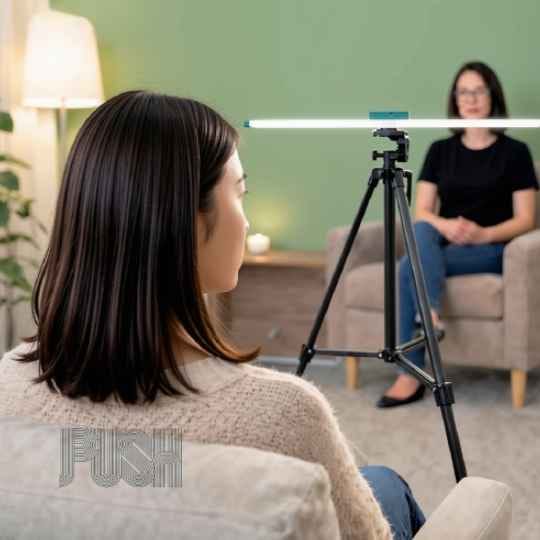
During an in-person EMDR session at our Markham wellness clinic, a specialized Registered Social Worker guides you through a process called bilateral stimulation. By utilizing side-to-side eye movements, light alternating hand-taps, or audio tones, we stimulate both hemispheres of your brain. This process mimics the natural cognitive processing that takes place during Rapid Eye Movement (REM) sleep.
When applied to birth trauma, EMDR helps you hold a brief snapshot of the distressing birth memory while the bilateral stimulation helps your brain re-file that memory into long-term storage. The memory is not erased, but the intense emotional charge, physical panic, and accompanying negative beliefs are stripped away. You can finally look back at your birth story and see it as a past event that is over, recognizing that you are safe in the present moment.